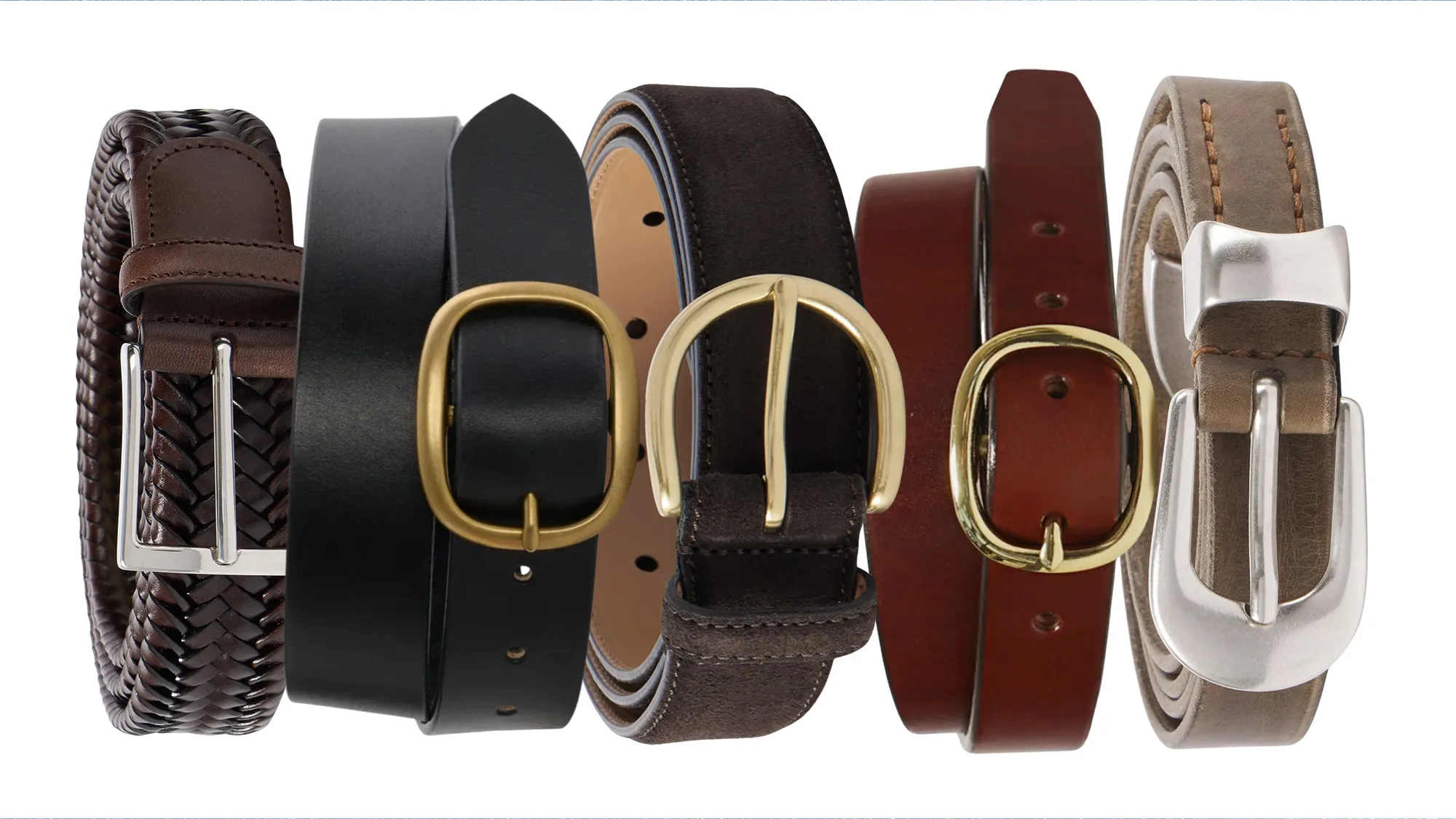
A plain belt can hold an outfit together, but the right textured belt can make it feel chosen. Woven Leather Belts sit in that rare space where one accessory works with denim, chinos, linen trousers, office slacks, and even a relaxed suit without looking out of place. That matters for Americans who want wardrobes that move from weekday errands to dinner plans without a full outfit change.
The appeal is not loud. It comes from shape, texture, and adjustability. A woven belt does not shout for attention the way a logo buckle or oversized western belt might. It adds a small layer of craft, which is often the missing piece in casual leather belts and dressier outfits alike. For readers comparing fashion notes, styling ideas, and wardrobe upgrades across trusted lifestyle sources such as modern style resources, this kind of accessory earns attention because it solves more than one problem at once.
A good belt should do more than fill belt loops. It should make the shirt, pants, shoes, and overall mood feel connected.
Why Texture Makes a Belt Feel More Expensive
Texture changes how the eye reads an outfit. Smooth leather can look clean, but it can also feel flat when the rest of the outfit is simple. A woven belt brings movement to clothes that might otherwise look unfinished, especially in everyday American dressing where jeans, chinos, polos, button-downs, and casual jackets do most of the work.
The better part is subtlety. A braided leather belt can add visual interest without becoming the center of attention. That makes it useful for people who want style without looking like they tried too hard.
How Braided Leather Belts Break Up Simple Outfits
A white Oxford shirt with navy chinos is a safe outfit. It can also look a little empty if every surface is smooth. Add braided leather belts in brown or tan, and the look gets a small point of contrast near the waist. That texture keeps the outfit from feeling like a work uniform.
This works especially well in spring and summer. Linen shirts, cotton pants, suede loafers, and canvas sneakers all have texture already. A woven belt joins that language instead of fighting it. It feels relaxed, but not careless.
A counterintuitive truth shows up here: the belt can look better when it is not perfectly polished. A slight grain, a softened edge, or natural variation in the leather gives the outfit character. Too much shine can make casual outfits feel stiff.
Why Texture Works Better Than Loud Branding
Logo-heavy belts often age badly because they depend on recognition. Once the trend fades, the outfit feels dated. A braided leather belt works differently because the detail comes from construction, not a symbol.
This is why textured belts fit so well into smart casual fashion. They give the eye something to notice, but they do not ask for applause. That restraint matters when you are dressing for a casual Friday in Chicago, a dinner in Austin, or a weekend brunch in San Diego.
A belt with quiet texture also supports other accessories. A leather watch strap, suede shoes, or canvas bag can sit near it without fighting for space. The outfit feels layered instead of crowded.
Casual Leather Belts That Still Look Intentional
Casual dressing gets judged by details. A T-shirt and jeans can look sharp or lazy depending on fit, shoes, and the small items that frame the outfit. Casual leather belts help most when they make simple pieces look deliberate.
The mistake many people make is treating casual as careless. A woven belt proves that relaxed clothes can still have shape. It gives the waist a finished line, which matters more than most people admit.
Pairing a Woven Belt With Denim Without Looking Overdone
Denim loves texture. Straight-leg jeans, faded blue washes, and heavier cotton shirts all pair naturally with casual leather belts because they belong to the same relaxed world. A medium-brown braided belt with dark jeans and a tucked chambray shirt feels clean without looking dressed up.
The buckle matters here. A slim brass or silver buckle keeps the look grounded. Oversized buckles can pull the belt toward costume territory, especially if the rest of the outfit is simple.
For a weekend example, think of a man in Kansas City wearing dark denim, a gray crewneck sweatshirt, white leather sneakers, and a brown woven belt. Nothing about that outfit is loud. Still, the belt gives the whole look a clear center.
Making Chinos and Polos Feel Less Generic
Chinos and polos are everywhere in the United States because they work for warm weather, casual offices, family gatherings, and travel days. The risk is sameness. A navy polo and khaki chinos can look like every other safe outfit in the room.
Casual leather belts solve that problem without forcing a full style shift. A tan woven belt softens the outfit and makes it feel less like a default choice. Add loafers or clean sneakers, and the outfit feels planned rather than pulled from the top of the drawer.
Here is the unexpected part: the belt often matters more when the outfit is simple. With patterned shirts or bold jackets, the belt fades into the background. With quiet clothes, it becomes the small detail that keeps everything from looking plain.
Formal Belt Styling Without Looking Too Stiff
Formal belt styling does not mean every belt must be smooth, black, and glossy. That old rule still works for conservative offices, weddings, and black-tie-adjacent events. Yet many modern dress settings are less rigid now, especially in business casual workplaces across the USA.
A woven belt can work with formal pieces when the scale, color, and finish are controlled. The goal is refinement, not ruggedness.
When a Braided Belt Works With Dress Pants
Dress pants need a narrower, cleaner belt than jeans. The weave should look tight, not bulky. Dark brown, oxblood, black, or deep tan usually works best because those shades feel closer to classic dress belts.
Formal belt styling also depends on the pants. Wool trousers with a sharp crease may need a smoother belt for conservative settings. Cotton dress pants, lightweight wool blends, and relaxed tailoring can handle a woven texture with ease.
A practical example helps. For a business dinner in New York, charcoal trousers, a pale blue shirt, dark brown loafers, and a slim dark brown woven belt can feel polished without becoming stiff. The belt adds life, but it does not break the dress code.
Matching Shoes Without Becoming Too Perfect
Many people were taught that belt and shoes must match exactly. That rule is safer than it is stylish. In real outfits, close harmony often looks better than a perfect match.
A chestnut belt can work with medium-brown shoes. A dark brown belt can sit nicely with suede loafers that are a shade lighter. Black still needs more care, especially in formal belt styling, because black leather reads sharper and less forgiving.
The key is temperature. Warm browns should stay near warm browns. Cool blacks and grays should stay near cool tones. Once you understand that, matching becomes easier and less stiff.
Choosing the Right Belt for Your Wardrobe
A belt that works across casual and formal outfits needs balance. Too rugged, and it fails with trousers. Too shiny, and it looks awkward with denim. The sweet spot sits in the middle: clean enough for structure, relaxed enough for daily wear.
This is where shopping with a plan matters. The best belt is not always the most expensive one. It is the one that matches the clothes you already wear.
Picking Color, Width, and Buckle Size
Color does most of the heavy lifting. Medium brown is the safest first choice for most American wardrobes because it works with denim, khaki, navy, olive, cream, and many shades of gray. Black is useful if your wardrobe leans dressier, darker, or more urban.
Width decides how flexible the belt feels. A belt around 1.25 inches usually works with chinos and dress pants. A wider belt can look better with jeans, but it may feel clumsy with tailored trousers.
Buckle size should stay modest. A simple frame buckle keeps the woven texture from looking busy. When the buckle gets too large, the belt starts pulling attention away from the outfit instead of finishing it.
Knowing When the Belt Should Stay Quiet
A good accessory does not need to announce itself every time. Some outfits already have enough happening: patterned shirts, textured jackets, statement shoes, or bold colors. In those cases, the belt should stay close to the pants or shoes in tone.
This restraint separates strong dressing from costume dressing. A woven belt can carry an outfit, but it can also support one quietly. Knowing the difference is the mark of someone who actually understands clothes.
Woven Leather Belts deserve a place in wardrobes because they solve the small problem most outfits have: they need a finish, not a distraction. Start with one well-made belt in medium or dark brown, wear it with the clothes you already own, and let the detail do its work.
Frequently Asked Questions
Are woven leather belts good for both casual and formal outfits?
Yes, they can work for both when the design is clean. Choose slimmer widths, tighter weaving, and simple buckles for dressier outfits. Wider, softer, or more rugged versions work better with jeans, chinos, and weekend clothing.
What color woven belt should I buy first?
Medium brown is the most flexible first choice. It pairs well with blue jeans, khaki chinos, navy trousers, olive pants, white shirts, and many shoe colors. Black is better if your wardrobe leans formal, minimal, or mostly dark.
Can braided leather belts be worn with suits?
They can work with relaxed suits, cotton suits, linen suits, and business casual tailoring. For conservative suits or formal events, a smooth dress belt is safer. Keep the woven belt slim, dark, and simple if wearing it with tailoring.
Do woven belts stretch over time?
Leather can soften and relax with wear, especially if the weave is loose. A well-made belt should not stretch badly, but it may mold to your waist. Store it flat or gently rolled to help preserve its shape.
What shoes go best with casual leather belts?
Loafers, suede shoes, desert boots, clean sneakers, and leather sandals all work well. The belt does not need to match perfectly, but the colors should feel related. Warm brown belts pair best with warm-toned shoes.
Are woven belts better than regular leather belts?
They are not always better, but they are often more flexible. A smooth belt feels cleaner and more formal. A woven belt adds texture, adjustability, and personality, which makes it useful for outfits that need a softer finish.
How should a woven leather belt fit?
The belt should sit comfortably without pulling or bunching the waistband. Because many woven belts allow the prong to pass through the weave, they offer more fit control than belts with fixed holes. The tail should not hang too long.
Can women wear woven leather belts with dresses?
Yes, they work well with shirt dresses, linen dresses, sweater dresses, and high-waisted skirts. A slimmer woven belt can define the waist without looking heavy. Tan, cream, brown, and black are the easiest colors to style.