A small purse can ruin a good day faster than most people admit. You leave the house looking pulled together, then spend the next six hours fighting for space between your phone, wallet, keys, lip balm, sunglasses, and the one receipt you somehow cannot throw away. That is why bucket bags have earned a loyal place in American closets: they look relaxed from the outside, yet they often carry far more than their shape suggests. For readers who follow practical style through trusted lifestyle coverage and modern fashion insights, the appeal is easy to understand. A good bag should not make you choose between looking polished and being prepared. The best roomy handbags do both without announcing their size. They sit neatly on the shoulder, soften a simple outfit, and still leave enough room for the daily clutter real life brings. That quiet usefulness is exactly why this shape keeps coming back.
Why This Shape Holds More Than It Shows
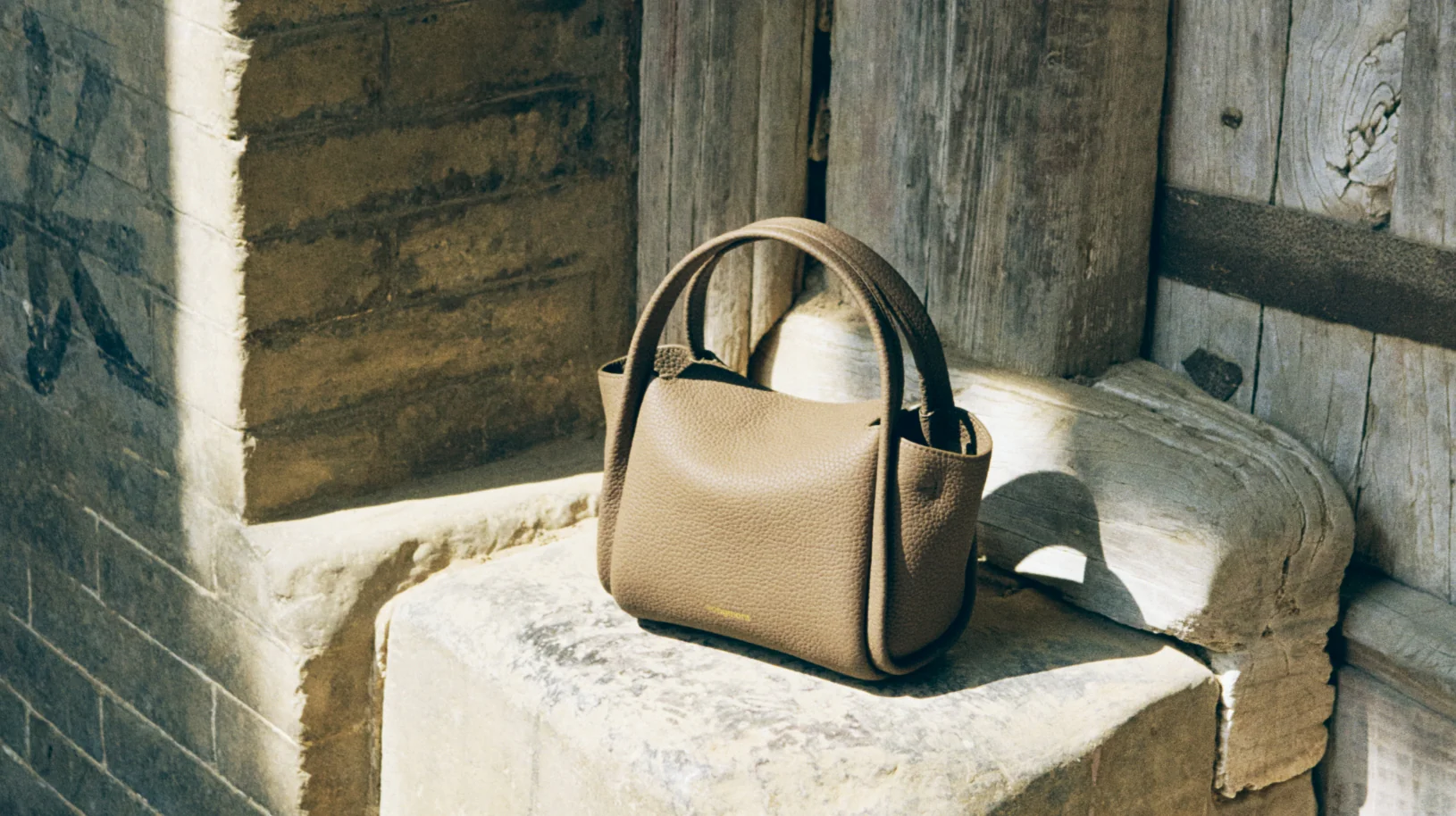
A structured tote tells everyone it means business, but a soft bucket shape plays a smarter game. It hides volume in curves, depth, and flexible sides, so the bag can expand without looking bulky. That difference matters when you want something stylish enough for brunch in Austin, errands in Phoenix, or a casual Friday office day in Chicago.
The vertical shape changes how storage feels
A flat crossbody often forces items to stack sideways, which makes the bag feel full long before it is. A deeper drawstring or open-top shape lets your daily items stand upright instead. That one detail can make a smaller-looking purse feel calmer inside.
Roomy handbags work best when the base has enough width to support the weight. A water bottle, compact umbrella, cardholder, and small makeup pouch can sit in layers without turning into a hard lump against your hip. The outside still looks soft because the bag’s height absorbs the bulk.
This is where many shoppers misjudge the style in stores. They see a curved body and assume it lacks order. In practice, the curve gives the bag a little forgiveness when you add one more thing before leaving the house.
Soft sides can be more useful than hard structure
Hard bags look clean in photos, but they do not always cooperate with real schedules. A rigid purse either fits an item or rejects it. Soft bucket-style designs bend around awkward shapes, which is helpful when you are carrying gloves, a snack, a folded tote, or a pair of sunglasses in a case.
Small-looking purses can surprise you most when the leather or fabric has a bit of give. The bag may look neat while sitting on a chair, then open wider once you pull the top apart. That gap between appearance and function is the whole trick.
A good example is the weekend coffee run that becomes a grocery stop. A stiff mini bag becomes annoying fast. A softer drawstring bag can take keys, phone, wallet, hand cream, and a few small extras without losing its laid-back shape.
The Details That Make Everyday Carry Bags More Practical
The roomy look is not enough by itself. A bag can have space and still feel frustrating if the opening is narrow, the strap slips, or the inside becomes a black hole. The best everyday carry bags solve those problems with small design choices that most shoppers overlook.
The opening matters more than the measurements
Measurements tell part of the story, but the opening tells the truth. A bag that is ten inches wide with a tight top can feel smaller than an eight-inch bag that opens easily. Your hand needs room to reach inside without scraping against hardware every time.
Everyday carry bags need easy access because Americans move through mixed routines. A single morning might include school drop-off, a train ride, a coffee stop, and a desk drawer search for a charging cable. A narrow opening turns each moment into a small irritation.
Look for bags with a drawstring that loosens fully, a magnetic closure that does not fight you, or a top edge that flexes. Security matters, but a bag should not feel like a puzzle box when you need your keys in a parking lot.
Pockets decide whether space feels useful
A large empty center sounds nice until everything sinks to the bottom. That is why one zip pocket and two slip pockets can change the whole experience. They create simple zones without turning the purse into luggage.
Spacious handbags do not need twenty compartments. Too many pockets can make you forget where you put things. The sweet spot is a roomy center for bulkier items, plus a few smaller sections for the pieces you reach for often.
A bag with one interior zip pocket for cards or cash, one phone sleeve, and one small pocket for lip balm or earbuds often feels better than a heavily divided design. Organization should reduce friction, not add another system to manage.
Styling a Roomy Bag Without Looking Overloaded
A bag can carry plenty and still look graceful if the styling around it makes sense. The mistake is treating volume like a flaw. Volume can actually balance an outfit when the shape feels intentional, especially with relaxed American wardrobes built around denim, knits, sneakers, jackets, and simple dresses.
Proportion keeps the outfit from feeling heavy
A slouchy bag pairs well with clean lines because the contrast looks natural. Straight-leg jeans, a fitted tee, and loafers can handle a soft shoulder bag without feeling messy. The bag adds movement where the outfit has structure.
Small-looking purses work best when they do not compete with too many oversized pieces at once. If you wear a wide sweater, puddle jeans, and chunky shoes, a large slouchy bag may push the outfit into shapeless territory. One relaxed element at a time usually lands better.
For example, a woman heading to a casual office in Denver might wear a black knit dress, ankle boots, and a tan drawstring bag. The bag softens the outfit but does not steal attention. It looks like part of the plan, not a storage emergency.
Texture can make size feel intentional
Leather, suede, canvas, raffia, and nylon all send different messages. A pebbled leather bag feels polished enough for work. Suede leans softer and more seasonal. Canvas or nylon feels lighter, especially for travel days or summer errands.
Roomy handbags often look more expensive when the texture has depth. A flat, shiny surface can show every bulge inside, while grain, weave, or softness hides shape changes better. That matters when the bag is doing more work than people realize.
Color also changes the effect. Black and chocolate brown make a larger shape feel grounded. Cream, tan, and soft gray can make the same bag feel lighter. Bright colors work best when the rest of the outfit stays simple.
How to Choose One That Fits Real Life
A beautiful bag that does not fit your day will sit in the closet. The right choice starts with your routine, not a trend photo. Think about what you carry, how you move, and how often you need both hands free. The bag should support the life you have, not the one shown in a perfect mirror selfie.
Match the strap to your daily rhythm
A shoulder strap looks elegant, but it may slip if you walk a lot or carry coffee often. A crossbody strap gives better control, especially for city days, airports, shopping centers, or school pickup. The best option is often an adjustable strap that lets you switch depending on the plan.
Spacious handbags can become uncomfortable when the strap is too thin. Weight spreads better through a wider strap, especially if you carry a tablet, small book, or full wallet. A pretty strap that digs into your shoulder will not feel pretty by lunchtime.
Try the bag with your coat if you live somewhere with cold winters. A strap that works over a T-shirt may feel too short over a puffer jacket. That small test can save you from a purchase that only works half the year.
Test capacity with the items you use most
Store displays rarely show the full story. Before buying, picture your real daily kit: phone, keys, wallet, sunglasses, hand sanitizer, charger, notebook, snack, medication, or anything you reach for without thinking. The right bag should fit those items without needing careful packing every morning.
This is where bucket bags prove their worth. They give you that little margin real life needs, especially when your day changes after you leave home. A bag that handles the unexpected without looking swollen earns its place fast.
The smartest choice is not always the largest one. It is the one that carries your normal load with a little breathing room. When a bag does that and still looks easy, you stop noticing it for all the right reasons.
The best accessories are the ones that quietly make your day smoother. A purse should not need constant rearranging, digging, or second-guessing before you leave the house. That is why bucket bags remain so appealing: they offer shape, softness, and hidden capacity without making the outfit feel weighed down. Choose one with a flexible opening, useful pockets, a comfortable strap, and material that suits your routine. Pay attention to how it feels when full, not how it looks when empty. Style matters, but function decides whether you reach for it again tomorrow. Before buying your next bag, pack it in your mind with the life you actually live, then choose the one that gives you room without stealing your look.
Frequently Asked Questions
Are roomy bucket-style bags good for daily use?
Yes, they work well for daily use when the opening is wide, the strap feels comfortable, and the inside has at least one pocket. They can carry normal essentials without looking as large as a tote, which makes them practical for errands, work, and casual plans.
What should I carry inside a roomy handbag?
Carry the items you use every day first: phone, wallet, keys, sunglasses, lip balm, sanitizer, and charger. Add extras only if the bag still closes easily. A small pouch helps keep loose items from sinking to the bottom.
Do small-looking purses fit a water bottle?
Some do, especially if the base is wide and the body is deep. A slim bottle fits better than a bulky one. Always check the opening, not only the height, because a narrow top can make a bottle hard to slide inside.
Are drawstring bags secure enough for city use?
They can be secure if the drawstring closes tightly and the bag sits close to your body. For crowded places, choose one with an inner zip pocket for cards, cash, and ID. A crossbody strap adds better control while walking.
What material is best for spacious handbags?
Pebbled leather is strong and hides marks well, while nylon is lighter for travel and rainy days. Suede looks stylish but needs more care. Canvas works for casual outfits, though it may show dirt faster in lighter colors.
Can a roomy purse still look polished for work?
Yes, especially in leather or a clean neutral shade like black, brown, taupe, or cream. Choose simple hardware and a neat shape. A bag with too much slouch may feel casual, but a defined base makes it office-friendly.
How do I stop items from getting lost inside?
Use one small pouch for beauty items, one slim case for tech cords, and the built-in pocket for valuables. Keep your phone in the same spot every time. A light-colored lining also makes it easier to see inside.
What size bag works best for travel days?
A medium bag with a secure closure, comfortable strap, and enough depth for a charger, wallet, passport, sunglasses, and small snacks works best. Avoid anything too oversized, because it can become heavy before the trip even begins.