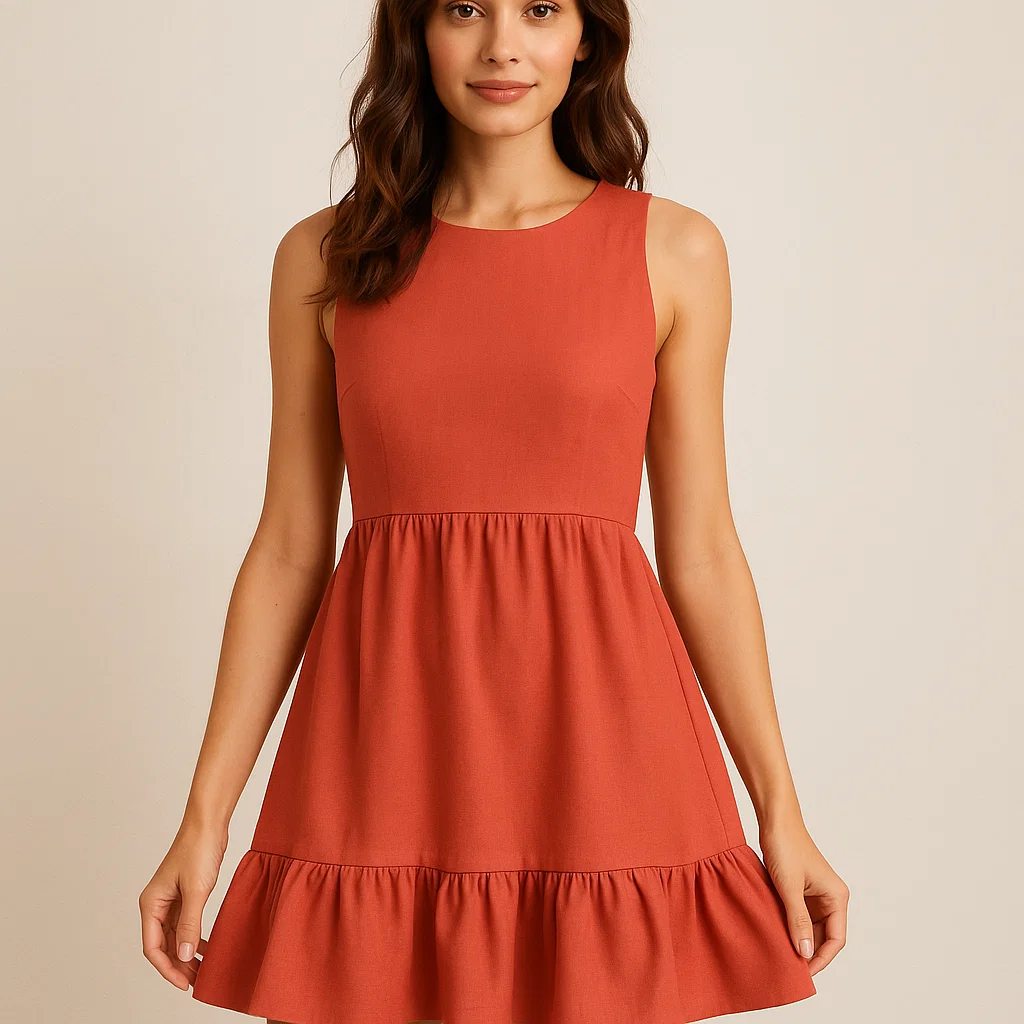
A dress can look pretty on the hanger and still feel flat the second you put it on. Ruffled Hem Dresses solve that problem with motion, softness, and a little personality at the exact place the eye naturally follows. The hem moves when you walk, catches light when you turn, and gives even a simple outfit a more finished shape.
For American women dressing for brunch, weddings, office parties, vacations, and casual weekends, the appeal is practical too. A ruffled edge can make a cotton day dress feel more styled without adding heavy accessories. It can also soften a sleek silhouette without making the outfit feel childish. That balance matters, especially when personal style has to move between real life and polished photos. Readers who follow modern fashion and lifestyle updates already know the best looks often come from one small design detail doing more work than expected.
The trick is knowing how to wear the detail, not letting it wear you.
Why Ruffled Hem Dresses Create Instant Movement
Ruffles work because they interrupt a straight line. That sounds small, but in clothing, line controls mood. A clean hem feels sharp and controlled. A ruffled hem feels alive. It gives the dress a sense of motion before you even add shoes, jewelry, or a bag.
How a Soft Hem Changes the Whole Silhouette
A dress with a plain hem usually ends the outfit in a hard visual stop. That can be useful, especially for workwear or formal evening pieces, but it can also make casual dresses feel stiff. A ruffled hem changes that ending. It creates a softer border around the legs and makes the lower half of the outfit feel lighter.
The most wearable versions do not shout. A narrow flounce on a midi dress, for example, can make a simple black piece feel more feminine without turning it into a party dress. You could wear it to a dinner in Chicago, a bridal shower in Dallas, or a summer rooftop gathering in New York and still look appropriate.
The surprise is that ruffles can make a dress look cleaner, not busier. When the rest of the design stays simple, the hem becomes the one expressive detail. That gives your outfit personality without asking every accessory to compete.
Why Movement Matters in Everyday Dressing
Clothes are not seen in still photos most of the time. You walk through a parking lot, sit at a restaurant table, climb stairs, stand in line for coffee, and turn to talk to someone. A moving hem catches those small moments and makes the outfit feel more natural.
This is why flowy summer dresses with ruffled hems often photograph better than stiff sheath dresses in casual settings. The fabric responds to the body, so the look feels less posed. It gives shape without demanding perfect posture or a complicated styling plan.
Movement also helps when you want comfort but still care about polish. A soft hem can make flat sandals, low heels, or sneakers feel intentional. The dress does part of the styling work before you add anything else.
Choosing Ruffled Hem Dresses for Your Body Shape
Good style starts with proportion, not trends. Ruffled Hem Dresses can flatter many body types, but only when the hem sits in the right place and carries the right amount of volume. The goal is not to hide your body. The goal is to guide the eye where the outfit feels strongest.
When a Midi Length Feels Most Balanced
Midi lengths often work well because the ruffle has enough room to move without cutting the leg at an awkward point. A hem that lands below the knee or near the lower calf can feel elegant, especially when paired with a fitted waist or a clean bodice. The dress gains movement, but the shape still feels grown-up.
For someone with a straight body shape, a midi dress with a ruffled edge can create the feeling of curves without adding bulk at the waist. The hem gives visual interest at the bottom, while a belt or seamed waist keeps the center defined. This is a smart choice for office-friendly dinners, church events, or daytime celebrations.
A petite woman may need a smaller ruffle or a slightly higher hem. Too much fabric near the ankle can shorten the frame. A knee-length dress with a light ruffle often gives the same feminine effect while keeping the legs visible.
How Ruffles Can Balance Curves Without Adding Bulk
Curvy bodies often look best when the ruffle supports the dress shape instead of fighting it. A wrap dress with a diagonal line and a soft ruffled hem can be especially flattering because it leads the eye across the body, then down. That creates movement without making the outfit look heavy.
The common mistake is choosing a ruffle that starts too high or spreads too wide. If the dress already has volume through the hips, a large lower ruffle can make the shape feel crowded. A cleaner skirt with movement only at the edge usually works better.
A counterintuitive point: a ruffle does not always add size. When placed at the hem, it can pull attention downward and create length. The fabric has to skim instead of cling, and the ruffle should look like part of the design rather than an extra decoration sewn on at the end.
Styling Feminine Dresses Without Looking Overdone
Feminine details need contrast. Without it, the outfit can slide into costume territory fast. The strongest looks pair soft ruffles with grounded pieces, clean shapes, and a little restraint. That is where feminine dresses start to feel modern instead of sweet for the sake of sweet.
What Shoes Make Ruffled Hems Feel Modern?
Shoes decide the mood faster than almost anything else. Strappy heels make the dress feel event-ready. Ballet flats make it softer. White sneakers make it more casual and young. Western boots, when chosen carefully, can give the outfit a confident American edge without making it look themed.
For a weekend in Nashville or Austin, a cotton dress with a small ruffled hem and ankle boots can feel relaxed but styled. The contrast works because the shoes bring weight while the hem brings movement. Neither detail has to fight for attention.
For weddings or garden parties, slim block heels often beat stilettos. They keep the outfit graceful while making it easier to stand on grass, walk across patios, or move through a long event. Style should never require you to suffer through the whole afternoon.
How to Choose Bags and Jewelry With Restraint
A ruffled hem already brings detail, so accessories should support the dress instead of repeating its softness everywhere. A structured mini bag, simple hoop earrings, or a clean cuff bracelet can make the look feel more adult. Too many delicate pieces can push the outfit into a fragile mood.
The best bag choice often depends on the fabric. A linen dress looks stronger with woven texture or leather. A satin dress looks better with a small polished clutch. A printed dress usually needs a quieter bag so the hem and pattern do not argue.
Jewelry should create a clean frame near the face. If the neckline has detail, skip the necklace and choose earrings. If the dress has a plain bodice, a fine chain or pendant can work. The point is simple: let one part of the outfit speak at a time.
Picking the Right Fabric, Color, and Occasion
A ruffle changes depending on fabric. Cotton feels fresh. Chiffon feels romantic. Satin feels dressy. Jersey feels relaxed. The same hem shape can look casual or formal depending on what it is made from, so fabric choice matters as much as the cut.
Why Fabric Weight Controls the Mood
Light fabrics create flutter. Heavier fabrics create shape. A chiffon ruffle moves with the slightest breeze, which works well for spring events, beach vacations, and outdoor photos. A cotton poplin ruffle holds more structure, making it better for daytime errands or casual lunches.
Satin can look beautiful, but it needs discipline. A satin dress with a ruffled hem can feel expensive when the cut is simple and the color is rich. Add too many bows, shine-heavy accessories, or loud shoes, and the outfit can lose its cool.
Jersey dresses are the quiet workhorses. A soft knit dress with a ruffled edge can be packed for travel, worn with sneakers, and dressed up with earrings at night. It may not feel dramatic, but it earns space in a real closet because it solves real dressing problems.
Which Colors Make the Detail Look Expensive?
Solid colors often make ruffles look more refined. Black, navy, ivory, chocolate brown, olive, and deep red can give the hem definition without making it feel playful in the wrong way. These shades work especially well for dinners, date nights, and semi-formal events.
Prints can work too, but scale matters. Small florals can make the dress feel vintage. Large tropical prints can feel vacation-ready. Abstract patterns can make the ruffle look artistic rather than sweet. The wrong print, though, can make the hem disappear into visual noise.
A smart closet usually needs one neutral option before any bold one. Once you own a dress that works for several settings, then a brighter color makes sense. Fashion feels more fun when the practical piece is already handled.
Making Ruffled Hem Dresses Feel Personal
Style gets better when you stop copying outfits and start reading your own life. A dress that works for someone else’s beach trip may not work for your office party, your climate, or your comfort level. The ruffled hem is only useful when it fits the way you actually move.
How to Dress Them Up Without Losing Ease
Dressier styling starts with clean support pieces. A tailored blazer can sharpen a ruffled dress for a dinner meeting or a professional event. A slim belt can define the waist. A low bun or polished waves can make the whole outfit feel intentional without adding more decoration.
For a summer wedding in Florida, a soft blue midi dress with a small ruffled hem, block heels, and pearl studs can feel romantic without trying too hard. For a fall dinner in Boston, the same idea works in burgundy with a cropped jacket and suede heels.
The hidden skill is knowing when to stop. A dress with movement does not need a dramatic necklace, sparkly shoes, a loud bag, and curled hair all at once. One polished choice is usually stronger than four competing ones.
How to Wear Them Casually Without Feeling Too Dressed Up
Casual styling depends on lowering the formality without killing the charm. Sneakers, flat sandals, denim jackets, and simple crossbody bags can make the dress feel easy for everyday wear. The hem still adds femininity, but the outfit no longer feels reserved for an event.
This works well for school pickups, farmers markets, casual Friday offices, and vacation walking days. A breathable dress with a ruffled edge can replace the jeans-and-top formula when you want comfort but still want to look awake and pulled together.
Ruffled Hem Dresses deserve space in a modern wardrobe because they do something rare: they add softness without asking you to become precious. Choose the right length, keep the styling honest, and let the movement carry the outfit. Start with one dress that fits your real life, then build the look around the places you already go.
Frequently Asked Questions
Are ruffled hem dresses flattering for most body types?
Yes, the right length and ruffle size make the difference. Smaller ruffles work well on petite frames, while wrap styles and midi lengths can flatter curves. The most important rule is proportion: the hem should support your shape, not overwhelm it.
What shoes look best with a ruffled hem dress?
Block heels, flat sandals, ankle boots, ballet flats, and clean sneakers can all work. The best choice depends on the occasion. Heels dress it up, sneakers make it casual, and boots add weight when the outfit feels too soft.
Can I wear a ruffled hem dress to work?
Yes, if the dress has a modest length, simple fabric, and clean neckline. Pair it with a blazer, closed-toe shoes, and minimal jewelry. Avoid sheer fabrics, deep necklines, and oversized ruffles in professional settings.
Are ruffled hems still stylish for modern outfits?
Yes, because the detail adds motion rather than loud decoration. Modern versions usually have cleaner cuts, softer volume, and better proportions. They feel current when styled with structured bags, simple shoes, and restrained jewelry.
What body shape suits a midi ruffled hem dress?
Midi styles work well for hourglass, pear, rectangle, and tall body shapes when the waist and hem are balanced. Petite women can wear them too, but a slightly shorter midi or smaller ruffle often keeps the frame from looking shortened.
How do I style a ruffled hem dress casually?
Pair it with white sneakers, flat sandals, a denim jacket, or a simple crossbody bag. Keep hair and makeup relaxed. Casual styling works best when one feminine detail stays central and everything else feels easy.
What fabric is best for a ruffled hem dress?
Cotton and linen feel best for daytime wear, chiffon works well for romantic events, satin suits dressier settings, and jersey is great for travel or comfort. Fabric weight controls whether the ruffle looks soft, structured, polished, or relaxed.
Can older women wear ruffled hem dresses?
Yes, and they can look elegant when the cut is clean. Choose refined fabrics, solid colors, and controlled ruffle volume. A midi length with a simple bodice often feels graceful without looking overly youthful or overly formal.