Most shoes force you to pick a side before you even get dressed. Some look polished but feel stiff by noon, while others feel easy but look wrong the second you step into a sharper setting. Slide In Loafers sit in that middle lane where American wardrobes spend most of their time now: office one hour, dinner the next, airport gate after that.
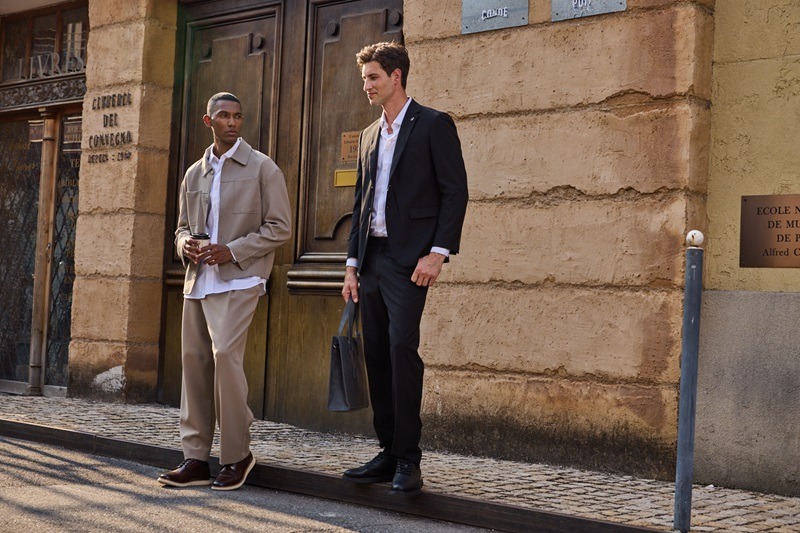
That shift matters because style in the U.S. has moved away from hard dress codes. A man in Dallas may wear chinos to a client lunch, while a woman in Chicago may pair relaxed trousers with a blazer for a hybrid workday. The old line between dress shoes and weekend shoes feels too rigid for that kind of life. A good pair can give smart casual outfits more polish without making the whole look feel stiff. For readers who follow practical style updates through <a href=”https://prnetwork.io/”>modern fashion coverage</a>, this is where the loafer earns its place.
Why the Middle Ground Matters in Modern Dressing
American dressing has become less formal, but that does not mean people care less about looking sharp. The pressure has shifted. Instead of needing a full suit, you often need to look aware, clean, and put together without appearing overdressed. That is where the right shoe carries more weight than most people expect.
Casual Dress Shoes Work When the Rest of the Outfit Has Structure
Casual dress shoes succeed when they support the outfit instead of fighting it. A loafer with a clean shape can sit under jeans, chinos, pleated trousers, or a knit dress because it carries enough structure to make the look feel finished. Sneakers may feel natural, but they can pull the outfit too far into weekend mode.
A good example is the Friday office outfit that turns into dinner plans. Dark denim, a tucked knit polo, and a lightweight jacket can look unfinished with athletic shoes. Add loafers, and the same outfit suddenly feels intentional. Nothing dramatic changed, but the signal did.
This is the quiet power of the style. It does not scream for attention. It cleans up the edges.
Office-Ready Footwear No Longer Means Stiff Leather Soles
Office-ready footwear used to mean lace-ups, narrow shapes, and shoes that felt built for boardrooms more than real days. That still has a place, but many U.S. workplaces now run on business casual rules that leave room for comfort. A slide loafer fits that shift because it keeps the front of the shoe refined while removing the back-heel formality.
That small design choice changes the whole mood. You can wear them with cropped trousers in a Los Angeles creative office or with a navy blazer in a Boston consulting setting. The shoe feels relaxed, but the shape keeps it from looking lazy.
The counterintuitive part is that less shoe can sometimes look more polished. When the lines are clean and the material is right, the open-back design can feel lighter, smarter, and more current than a bulky dress shoe.
How Loafers Balance Comfort With Polish
Comfort usually gets treated like the enemy of style, which is unfair. Bad comfort ruins style faster than a casual detail ever could. When someone is limping through a hallway or slipping out of stiff shoes under a restaurant table, the outfit has already failed.
The Slip-On Shape Matches How People Actually Move
Modern routines rarely stay in one lane. You may drive, walk, stand, sit, and switch settings several times before the day ends. A slip-on shoe respects that rhythm. It removes the small daily friction of laces, tight backs, and break-in pain.
This matters most in places where people cover ground. Think of a New Yorker moving from subway stairs to a shared office, or someone in Atlanta stepping between a parking garage, meetings, and a casual patio dinner. The shoe needs to keep up without looking like recovery footwear.
That does not mean every slide loafer works. Thin soles can feel harsh, and soft uppers can collapse fast. The best pairs hold their shape at the toe, cushion the step, and stay secure enough that you are not gripping with your toes all day.
Smart Casual Outfits Need One Grounding Piece
Smart casual outfits can go wrong because they live in the gray area. Too much tailoring feels stiff. Too many relaxed pieces feel careless. Shoes often decide which direction the outfit takes.
A relaxed linen shirt with drawstring trousers can look beachy until a refined loafer brings it back to town. A blazer over a plain tee can feel unfinished until the shoe adds a grown-up note. The loafer becomes the anchor, not the loudest item.
Here is the unexpected lesson: the easiest shoe in the outfit may be the one that makes everything look more controlled. That is rare. Most comfortable pieces ask the outfit to forgive them, but a strong loafer makes the rest of the look easier to trust.
Choosing the Right Pair for Your Wardrobe
The best shoe choice starts with your real life, not a fantasy version of your closet. A pair that looks perfect online can sit untouched if it does not match your pants, climate, workplace, or weekends. The right loafer should answer a real dressing problem you already have.
Leather, Suede, and Woven Finishes Send Different Messages
Leather reads sharper. It works best when you want a shoe that can handle dinner, office settings, travel days, and dressier casual events. Black leather feels more formal, while brown or tan leather gives you more room with denim and lighter trousers.
Suede softens the look. It pairs well with spring and fall outfits, especially in cities where relaxed tailoring has become normal. A tobacco suede pair with cream chinos and a denim shirt can look easy without sliding into sloppy territory.
Woven finishes bring texture, which helps in warm-weather dressing. In Miami, Austin, or San Diego, a woven loafer can make lightweight trousers and camp-collar shirts feel more refined. The risk is going too beachy, so keep the rest of the outfit clean.
Formal Casual Shoes Should Match Your Most-Worn Pants
Formal casual shoes need to work with the bottoms you reach for most. If your closet is built around slim chinos, choose a sleeker toe. If you wear wider trousers, a slightly chunkier shape can balance the volume. If jeans dominate your week, avoid pairs that look too delicate.
Pant length matters more than people admit. A loafer often looks best when the hem shows a little ankle or breaks cleanly at the top of the shoe. A long, puddled hem can swallow the open-back shape and make the outfit feel confused.
A specific test helps: try the shoes with three outfits before deciding they belong in your closet. Wear them with your sharpest casual look, your most common work outfit, and your easiest weekend fit. If they pass all three, they are not a novelty. They are useful.
Styling Them Without Looking Overdone
The goal is not to make the shoe the whole story. The goal is to let it sharpen the outfit without turning your clothes into a costume. That takes restraint, especially with a shoe that already has a distinct shape.
Keep the Top Half Relaxed When the Shoe Looks Sharp
A polished loafer often needs a calmer top half. A pressed shirt, tailored jacket, dress belt, and shiny shoe can push the whole look into forced territory. Swap one piece for something softer and the outfit breathes.
For example, wear black loafers with charcoal trousers and a textured knit instead of a stiff button-down. Try brown leather with a chore jacket and straight jeans. Pair suede with an open-collar shirt rather than a tight, formal dress shirt.
This balance works because the shoe already carries refinement. You do not need every other piece to repeat the same message. One strong signal is enough.
Use Color to Control the Mood
Color decides whether the shoe feels office-ready, weekend-ready, or somewhere between. Black gives the cleanest finish, especially with navy, gray, white, and dark denim. Brown feels warmer and easier for casual dress shoes that need to work across seasons.
Tan can look sharp in summer, but it needs confidence. It pairs well with olive trousers, cream denim, pale blue shirts, and soft tailoring. Burgundy or oxblood adds personality without drifting into loud territory, which makes it useful for men and women who want polish with character.
The mistake is matching everything too perfectly. Shoes, belt, bag, and watch strap do not need to be identical. They need to belong to the same conversation. That is enough.
Conclusion
Style keeps moving toward clothes that can handle more than one part of the day. That does not make dressing easier by default. It only raises the standard for pieces that can carry comfort, polish, and flexibility at once.
Slide In Loafers deserve attention because they solve a real wardrobe tension instead of chasing a passing look. They help you dress for offices that no longer demand suits, dinners that still deserve effort, and weekends where sneakers are not always the strongest choice. The best pair will not shout. It will make your clothes feel cleaner, calmer, and more deliberate.
Start with one pair in a material and color that fits your actual week. Wear it with the outfits you already own before buying into the trend any deeper. When a shoe makes getting dressed simpler and sharper at the same time, it has earned the space by your door.
Frequently Asked Questions
Are slide loafers acceptable for business casual offices?
Yes, they can work well in business casual offices when the design is clean and structured. Choose leather or refined suede, avoid overly soft slipper shapes, and pair them with chinos, tailored trousers, knit polos, blouses, or blazers.
What pants look best with open-back loafers?
Cropped trousers, straight-leg jeans, chinos, and relaxed tailored pants usually work best. The hem should sit cleanly above or near the shoe, so the shape stays visible instead of getting buried under excess fabric.
Can men wear loafers with jeans for smart casual outfits?
Yes, men can wear loafers with jeans when the denim is dark, clean, and well fitted. Add a knit polo, button-down shirt, chore jacket, or blazer to keep the look sharp instead of overly casual.
Are slide loafers better than sneakers for casual dressing?
They are better when the outfit needs polish without full formality. Sneakers still win for sporty or highly relaxed looks, but loafers add a sharper finish to jeans, trousers, dresses, and office-ready casual pieces.
What color loafers are easiest to style every day?
Brown is often the easiest everyday choice because it works with denim, navy, olive, cream, khaki, and gray. Black feels sharper and more formal, while tan works best in warm weather and lighter wardrobes.
Can women wear slide loafers with dresses?
Yes, they pair well with shirt dresses, knit dresses, midi skirts, and relaxed tailoring. The key is balance. A clean loafer can make a dress feel more modern, less delicate, and easier to wear during the day.
Do open-back loafers stay on while walking?
Good pairs stay secure when the upper fits close enough across the foot. Loose, flat, or poorly shaped pairs can slip. Look for a stable sole, firm upper, and a footbed that does not make your heel slide.
Are suede loafers hard to maintain in the USA climate?
Suede needs more care in rainy or snowy regions, but it is manageable with a protective spray and a suede brush. In drier climates, suede can be one of the easiest ways to add texture without making an outfit feel heavy.